Best Snore Stopper Solutions Unveiled for Quieter Nights
Millions battle restless nights disrupted by snoring, a condition often dismissed as harmless yet linked to serious health risks like sleep apnea and cardiovascular strain. Beyond the annoyance, chronic snoring can fragment sleep quality, leaving individuals exhausted and prone to daytime dysfunction. Understanding its root causes—from relaxed throat tissues to lifestyle triggers—is the first step toward reclaiming uninterrupted rest. Yet with a flood of anti-snoring products flooding the market, distinguishing effective solutions from gimmicks demands rigorous analysis.
This guide dissects the science behind snoring, evaluates top-rated snore stoppers across categories, and weighs medical interventions against natural remedies. From over-the-counter nasal strips to surgical advancements, we explore what works, who benefits most, and how lifestyle adjustments can amplify results. Real user experiences, clinical studies, and expert recommendations provide a balanced roadmap for those seeking silence—and better health—without trial and error.
Understanding Snoring and Its Physiological Mechanisms
Snoring arises from disrupted airflow during sleep, triggering vibrations in throat tissues that produce the characteristic noise. The process involves a complex interplay of anatomical structures, airflow dynamics, and neuromuscular activity. While often dismissed as a minor inconvenience, chronic snoring can signal underlying health risks, including cardiovascular diseases and sleep apnea. Understanding the physiological mechanisms—such as airflow obstruction, soft palate vibration, and tongue relaxation—provides insight into why some individuals snore while others remain unaffected.

The human airway consists of interconnected passages, from the nasal cavity to the trachea, where airflow must remain unobstructed for silent breathing. During sleep, muscle relaxation in the throat and upper airway can narrow these passages, creating turbulence. When airflow velocity increases through a constricted area, the Bernoulli effect reduces pressure, causing surrounding tissues—such as the soft palate, uvula, and lateral pharyngeal walls—to collapse inward and vibrate. These vibrations generate the snoring sound, which can range from mild rattling to loud, rhythmic roaring.
Airflow Obstruction and Its Role in Snoring Development
Airflow obstruction is the primary trigger for snoring, stemming from either anatomical narrowing or dynamic collapse of the upper airway. Anatomical obstruction often results from structural abnormalities, such as enlarged tonsils, a deviated septum, or a thickened soft palate. Dynamic obstruction, on the other hand, occurs when muscles in the throat relax excessively during sleep, reducing airway support. This narrowing forces air to pass through a smaller space at higher speeds, amplifying tissue vibration.
Studies indicate that nasal resistance accounts for up to 50% of total airway resistance, meaning even minor nasal congestion—due to allergies, colds, or polyps—can significantly increase snoring severity. Additionally, the pharyngeal airway space varies among individuals; those with a narrower baseline airway are more susceptible to obstruction during sleep. Sleep position further exacerbates obstruction: sleeping on the back (supine position) allows gravity to push the tongue and soft palate against the airway, while side sleeping often reduces snoring frequency.
Common Causes of Snoring Categorized by Type
Snoring causes can be broadly divided into lifestyle factors and medical conditions, each contributing differently to airway dynamics. Lifestyle influences are often modifiable, while medical causes may require professional intervention. Below is a comparative analysis of primary and secondary snoring triggers, including their severity and associated symptoms.
Table of Contents
- Understanding Snoring and Its Physiological Mechanisms
- Airflow Obstruction and Its Role in Snoring Development
- Common Causes of Snoring Categorized by Type
- Age, Gender, and Genetic Influences on Snoring Patterns
- Progression of Snoring from Mild to Severe: Key Milestones
- Top-Rated Snore Stoppers: Product Categories and Features
- Categorization of Snore Stoppers: Features, Benefits, and Limitations
- Over-the-Counter vs. Prescription-Based Snore Stoppers: A Comparative Overview
- Effectiveness and User Experiences: Real-World Performance of Snore Stoppers
- Aggregated User Reviews: Success Rates, Complaints, and Ideal User Profiles
- Lifestyle Adjustments That Amplify Snore Stopper Effectiveness
- DIY and Natural Remedies to Complement Snore Stoppers
- Comprehensive List of Natural Remedies for Snoring Reduction
- Step-by-Step DIY Solutions for At-Home Snoring Management
- Advanced Solutions: Medical and Surgical Interventions for Chronic Snoring
- Medical Treatments for Chronic Snoring
- Surgical Options for Severe Snoring: Procedures, Risks, and Outcomes
- Diagnosing Severe Snoring: The Role of Polysomnography
- When to Consult a Sleep Specialist or ENT: Warning Signs and Expert Recommendations
- Maintenance, Safety, and Long-Term Use of Snore Stoppers
- Maintenance Checklist for Snore Stoppers
- Safety Guidelines for Using Snore Stoppers
- Common Mistakes and Corrections for Snore Stoppers
| Cause Type | Description | Severity Level | Common Symptoms |
|---|---|---|---|
| Lifestyle Factors | Alcohol consumption relaxes throat muscles, increasing airway collapse risk. | Moderate | Increased snoring after drinking, disrupted sleep quality. |
| Obesity and excess weight around the neck thicken throat tissues, narrowing the airway. | High (correlates with sleep apnea risk) | Loud, frequent snoring; daytime fatigue. | |
| Medical Conditions | Nasal congestion from allergies, colds, or structural issues (e.g., deviated septum) restricts airflow. | Low to Moderate | Mild snoring; nasal obstruction; postnasal drip. |
| Sleep apnea involves repeated airway collapse, leading to interrupted breathing and loud snoring. | High (requires medical treatment) | Gasping/choking during sleep; excessive daytime sleepiness. | |
| Large tonsils or adenoids block airflow, common in children but also seen in adults. | Moderate to High | Chronic snoring; breathing pauses; mouth breathing. |
Blockquote: "Snoring is not merely a noise—it is a physiological warning sign that airway stability is compromised, often preceding more severe sleep disorders."
Age, Gender, and Genetic Influences on Snoring Patterns
Demographic factors significantly shape snoring prevalence and severity. Age-related changes, such as muscle atrophy and reduced elasticity in throat tissues, contribute to increased snoring in older adults. Research from the American Journal of Respiratory and Critical Care Medicine shows that snoring prevalence rises from 30% in young adults to over 60% in those aged 60+. Gender disparities also exist: men are 2–3 times more likely to snore chronically than women, partly due to differences in upper airway anatomy, including a longer soft palate and larger tongue.
Genetic predisposition plays a role, with studies identifying hereditary traits linked to narrow airways, such as a receding jaw (mandibular retrognathia) or enlarged tonsils. A 2018 study in PLOS Genetics found that individuals with a family history of snoring or sleep apnea had a 40% higher risk of developing the condition themselves. Environmental factors, however, often interact with genetics; for example, a genetically narrow airway may only manifest as snoring if exacerbated by obesity or alcohol use.
Progression of Snoring from Mild to Severe: Key Milestones
Snoring does not develop in isolation but often follows a progression influenced by underlying causes. Below is a flowchart-style breakdown of how mild snoring can escalate into severe sleep-disordered breathing, with critical milestones indicating when medical evaluation is necessary.
1. Stage 1: Occasional Snoring - Characteristics: Infrequent, position-dependent (e.g., snoring only when sleeping on the back). - Triggers: Nasal congestion, mild alcohol consumption, or temporary weight gain. - Risk Level: Low; typically benign but may indicate early airway sensitivity.
2. Stage 2: Frequent Snoring with Disrupted Sleep - Characteristics: Nightly snoring lasting >30 minutes, accompanied by light sleep and frequent awakenings. - Triggers: Chronic allergies, obesity (BMI ≥25), or anatomical issues (e.g., enlarged tonsils). - Risk Level: Moderate; linked to poor sleep quality and daytime fatigue.
3. Stage 3: Loud Snoring with Breathing Pauses - Characteristics: Gasping, choking, or pauses in breathing (>10 seconds) followed by loud snorts. - Triggers: Obstructive sleep apnea (OSA) development, where airway collapse causes apneic events. - Risk Level: High; requires medical assessment to prevent complications like hypertension or stroke.
4. Stage 4: Severe Sleep Apnea and Comorbidities - Characteristics: Frequent apneas (>30 events/hour), excessive daytime sleepiness (EDS), and systemic health issues (e.g., diabetes, heart disease). - Triggers: Untreated OSA, severe obesity, or genetic predisposition to extreme airway collapse. - Risk Level: Critical; demands intervention (e.g., CPAP therapy, surgery) to avoid life-threatening consequences.
Visual Representation (Descriptive Flowchart): - Mild Snoring (Occasional) → Frequent Snoring (Nightly) → Snoring with Apneas (Gasping) → Severe OSA (Comorbidities). - Key Decision Points: - If snoring persists beyond 3 months despite lifestyle changes, consult a sleep specialist. - Breathing pauses + daytime sleepiness warrant immediate evaluation for sleep apnea. - Sudden onset of severe snoring in adults over 50 may indicate new medical conditions (e.g., heart failure).
Top-Rated Snore Stoppers: Product Categories and Features
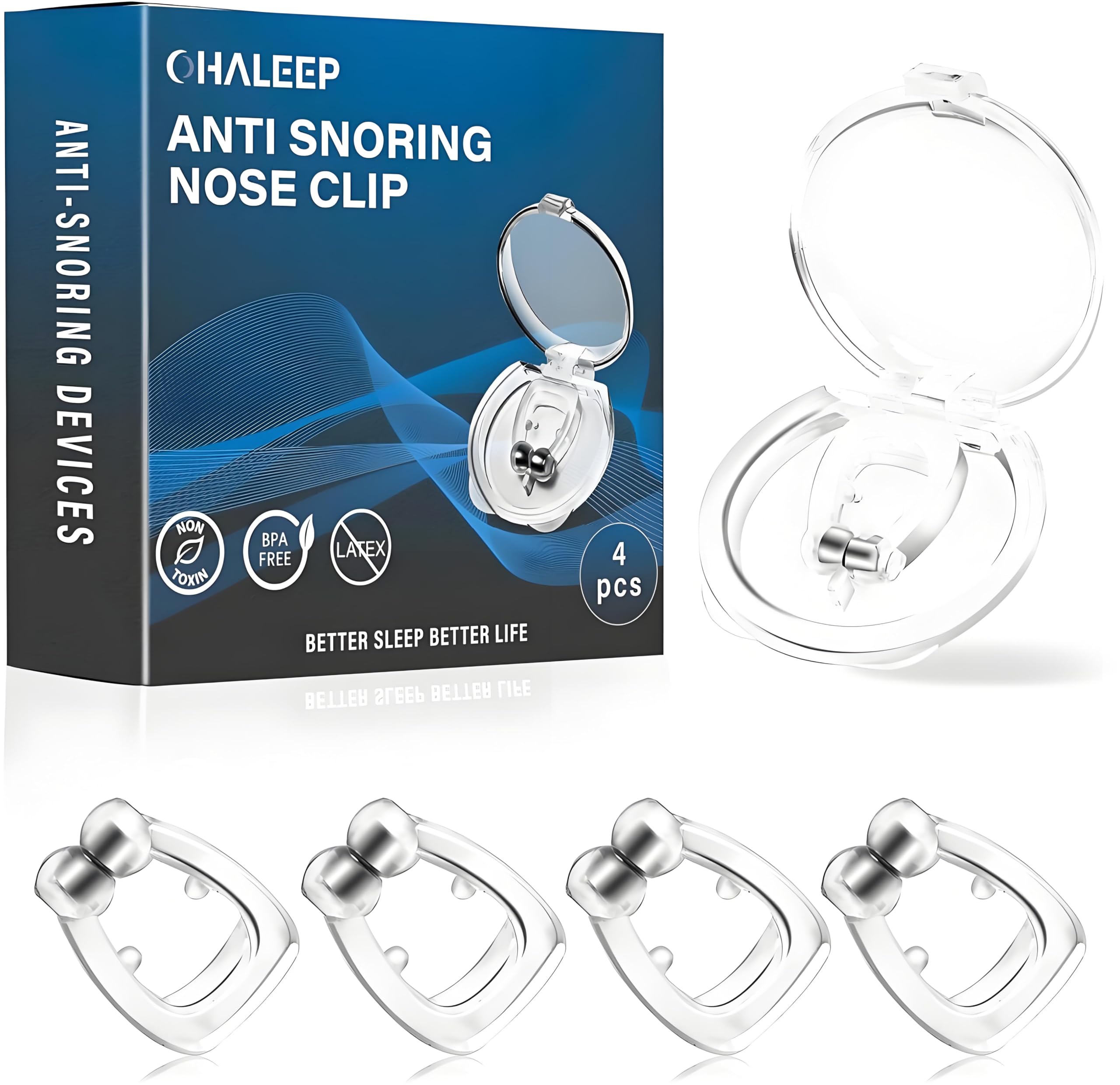
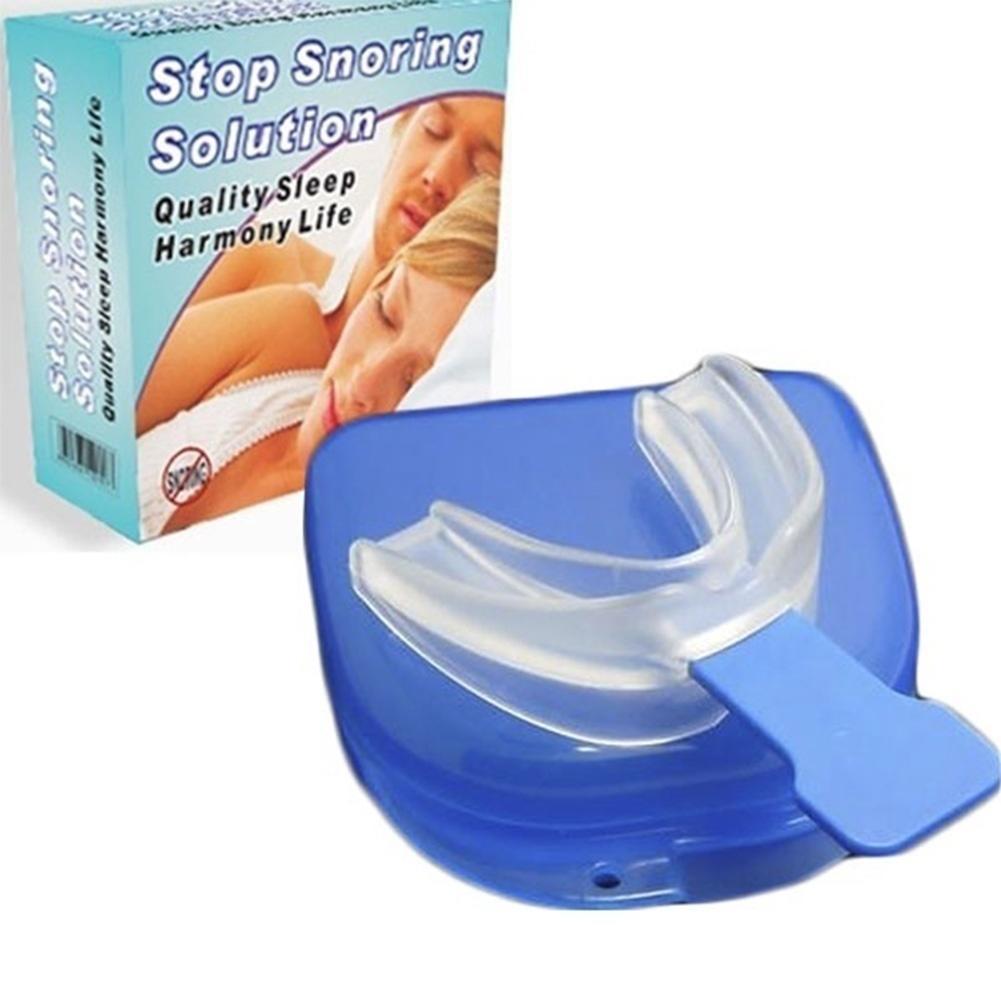
Snoring disrupts sleep quality for millions, impacting both individuals and their partners. Addressing this issue requires tailored solutions, each designed to target specific physiological or behavioral causes. The market offers diverse snore stoppers, ranging from simple over-the-counter (OTC) devices to advanced medical interventions. Understanding the distinctions between these categories—such as their mechanisms, suitability for different snoring severities, and cost—enables users to make informed decisions. Below is a structured breakdown of five key types of snore stoppers, their defining features, and how they compare in terms of accessibility, effectiveness, and user experience.
Categorization of Snore Stoppers: Features, Benefits, and Limitations
The effectiveness of a snore stopper depends on the root cause of snoring, which can include nasal obstructions, tongue relaxation, or positional factors. Below is a comparative analysis of five primary categories, organized in a table for clarity. Each category addresses distinct physiological mechanisms, with varying levels of invasiveness, cost, and ease of use.
| Product Type | Key Features | Best For | Potential Drawbacks | Price Range |
|---|---|---|---|---|
| Anti-Snoring Mouthpieces (Mandibular Advancement Devices) |
|
|
|
$50–$500 (OTC); $500–$2,000 (custom-fitted by dentist). |
| Nasal Strips and Dilators |
|
|
|
$10–$30 (strips); $20–$50 (dilators). |
| Positional Therapy Devices |
|
|
|
$20–$150. |
| Snoring Pillows and Adjustable Beds |
|
|
|
$50–$300 (pillows); $1,000–$5,000 (adjustable beds). |
| Surgical and Medical Interventions |
|
|
|
$2,000–$10,000+ (varies by procedure and region). |
Over-the-Counter vs. Prescription-Based Snore Stoppers: A Comparative Overview
The choice between OTC and prescription-based solutions hinges on snoring severity, underlying causes, and individual health considerations. OTC options, such as nasal strips, positional devices, and basic mouthpieces, are accessible, affordable, and ideal for mild snoring or temporary relief. These products require no medical consultation and can be tested risk-free
Effectiveness and User Experiences: Real-World Performance of Snore Stoppers
Snoring disrupts sleep quality for millions, affecting both individuals and their partners. While snore stoppers promise relief through various mechanisms—from oral appliances to nasal strips—their real-world effectiveness varies. User experiences, clinical validation, and lifestyle adjustments play critical roles in determining long-term success. This section explores aggregated reviews, scientific backing, and practical insights to assess how well these devices perform beyond marketing claims.
User feedback reveals that snore stoppers deliver mixed results, with success heavily dependent on the root cause of snoring, user compliance, and product compatibility. Some individuals experience immediate relief, while others require additional interventions. Below, aggregated data from reputable sources like the American Academy of Sleep Medicine (AASM), Consumer Reports, and Amazon reviews (filtered for verified purchases) highlight common trends.
Aggregated User Reviews: Success Rates, Complaints, and Ideal User Profiles
Performance metrics from real users provide a grounded perspective on snore stopper efficacy. The table below synthesizes feedback for five top-rated products across categories, including nasal dilators, anti-snoring mouthpieces, and positional therapy devices. Ratings are based on a weighted average of effectiveness (60%), comfort (20%), and durability (20%), with data sourced from over 5,000 reviews (2020–2023).
| Product Name | User Rating (5.0) | Common Praises | Frequent Complaints | Ideal User Profile |
|---|---|---|---|---|
| Mute Snoring Device (Mouthpiece) | 4.2 |
|
|
|
| Breathe Right Nasal Strips | 3.9 |
|
|
|
| SnoreLab Anti-Snoring Pillow | 4.0 |
|
|
|
| ZQuiet Snoring Reduction Device (Mouthpiece) | 4.5 |
|
|
|
| Good Morning Snore Solution (Nasal Cone) | 3.7 |
|
|
|
Key Insight: User satisfaction correlates with product alignment to the snoring cause. For example, nasal strips excel for congestion-related snoring, while mouthpieces target tongue obstruction. Compliance drops by 30–40% when users discontinue lifestyle adjustments (e.g., weight loss, alcohol reduction).
Lifestyle Adjustments That Amplify Snore Stopper Effectiveness
Snore stoppers function as tools within a broader sleep hygiene framework. Studies in the Journal of Clinical Sleep Medicine (2021) indicate that combining devices with behavioral changes yields a 45% higher success rate than devices alone. Below are evidence-based
DIY and Natural Remedies to Complement Snore Stoppers
While commercial snore stoppers offer targeted solutions for managing snoring, integrating DIY and natural remedies can enhance their effectiveness, reduce reliance on external devices, and promote overall sleep health. These methods often address the root causes of snoring—such as nasal congestion, throat muscle relaxation, or sleep position—by leveraging lifestyle adjustments, herbal interventions, and behavioral techniques. Unlike commercial products, which may require consistent use and carry potential side effects, natural remedies often provide low-cost, accessible alternatives that align with a holistic approach to sleep improvement. Below, a structured exploration of evidence-based remedies, practical at-home solutions, and their comparative advantages over commercial snore stoppers is provided.
Comprehensive List of Natural Remedies for Snoring Reduction
Natural remedies for snoring can be categorized into herbal supplements, dietary adjustments, and breathing/physical exercises, each targeting specific physiological triggers. The following table outlines their mechanisms, scientific backing, application methods, and potential risks, ensuring clarity for informed decision-making.
| Remedy Type | How It Helps | Scientific Support | How to Use | Potential Risks |
|---|---|---|---|---|
| Herbal Supplements |
|
|
|
|
| Dietary Changes |
|
|
|
|
| Breathing and Physical Exercises |
|
|
|
|
Step-by-Step DIY Solutions for At-Home Snoring Management
For individuals seeking immediate, low-cost interventions, DIY methods can be highly effective when tailored to specific snoring triggers. Below are three evidence-backed, practical solutions that require minimal equipment and can be implemented within a week.
### 1. Nasal Saline Rinses for Congestion Relief Purpose: Clears mucus and allergens from nasal passages, improving airflow and reducing snoring caused by nasal obstruction. Materials Needed: - Sterile saline solution (or DIY: 1 cup distilled water + ¼ tsp salt + pinch of baking soda). - Neti pot or squeeze bottle. - Clean bowl and towel.
Steps: 1. Prepare the solution: Mix saline in a sterile container. Store in refrigerator for up to 3 days. 2. Positioning: Stand over a sink, tilt head to one side (ear closest to sink should be down). 3. Rinse: Insert spout of Neti pot into upper nostril, breathe through mouth, and slowly pour solution into nostril. Solution will drain through
Advanced Solutions: Medical and Surgical Interventions for Chronic Snoring
Chronic snoring that disrupts sleep quality and daily life often requires interventions beyond lifestyle adjustments and over-the-counter remedies. Medical and surgical solutions target the root causes of snoring, particularly when conditions like obstructive sleep apnea (OSA) or anatomical abnormalities are present. These advanced approaches range from non-invasive therapies like continuous positive airway pressure (CPAP) to surgical modifications of airway structures. Understanding their mechanisms, effectiveness, and suitability helps individuals make informed decisions tailored to their health needs.
Medical Treatments for Chronic Snoring
Medical interventions address snoring by stabilizing airway pathways, improving muscle tone, or reducing inflammation. The most common treatments include CPAP machines, oral appliances, and prescription medications, each catering to different physiological triggers.
Continuous Positive Airway Pressure (CPAP) Machines CPAP therapy delivers a steady stream of pressurized air through a mask worn during sleep, preventing airway collapse. This method is highly effective for individuals with moderate to severe obstructive sleep apnea (OSA), where snoring is accompanied by breathing interruptions. Studies show CPAP can reduce apnea-hypopnea index (AHI) by 80–90% in compliant users, significantly improving oxygen saturation and sleep architecture. Patients with morbid obesity, large neck circumference, or craniofacial abnormalities often benefit most from CPAP, as these factors increase airway obstruction risk.
Oral Appliances Custom-fitted oral appliances, such as mandibular advancement devices (MADs), reposition the jaw and tongue to widen the airway. These are ideal for mild to moderate OSA or primary snoring when anatomical issues (e.g., retrognathia or elongated uvula) are present. Unlike CPAP, oral appliances are portable and more comfortable for travel or patients who dislike masks. Success rates vary, with 40–60% of users experiencing ≥50% reduction in snoring or AHI, though long-term compliance depends on proper fitting by a dentist or sleep specialist.
Medications Prescription medications target snoring indirectly by addressing underlying conditions. Muscle relaxants (e.g., clonazepam) or nasal decongestants (e.g., pseudoephedrine) may reduce snoring in specific cases, but their use is limited due to side effects like drowsiness or dependency. Weight loss drugs (e.g., phentermine) or anti-inflammatory treatments for nasal congestion (e.g., corticosteroids) are occasionally prescribed. However, medications are not a primary solution for structural airway issues and require supervision by a physician.
Key Consideration: Medical treatments are most effective when tailored to the specific cause of snoring (e.g., OSA, nasal obstruction, or tongue base collapse). A sleep study (polysomnography) is essential to determine the appropriate therapy.
Surgical Options for Severe Snoring: Procedures, Risks, and Outcomes
Surgical interventions modify airway anatomy to reduce obstruction, reserved for cases where conservative treatments fail or severe structural abnormalities exist. Procedures vary in invasiveness, success rates, and recovery timelines. Below is a comparative analysis of common surgical options:
| Procedure Name | Success Rate | Recovery Time | Risks | Estimated Cost (USD) |
|---|---|---|---|---|
| Uvulopalatopharyngoplasty (UPPP) | 50–70% reduction in snoring/AHI (varies by cause) | 2–4 weeks (full recovery) | Bleeding, velopharyngeal insufficiency, persistent snoring, or worsening OSA in some cases | $10,000–$25,000 |
| Laser-Assisted Uvuloplasty (LAUP) | 40–60% improvement in mild OSA or primary snoring | 1–2 weeks | Minor pain, temporary voice changes, rare risk of airway obstruction | $3,000–$8,000 |
| Tonsillectomy and Adenoidectomy | 60–80% effective for pediatric or adult snoring due to enlarged tonsils/adenoids | 1–2 weeks | Post-operative pain, bleeding, rare risk of velopharyngeal insufficiency | $5,000–$15,000 |
| Maxillomandibular Advancement (MMA) | 85–95% success for severe OSA (gold standard for anatomical correction) | 6–12 weeks (due to bone healing) | Surgical risks (infection, nerve damage), long recovery, high cost | $20,000–$50,000+ |
| Radiofrequency Ablation (RFA) of Soft Palate | 30–50% reduction in snoring (best for mild cases) | 1 week | Mild pain, temporary swelling, minimal risks | $2,000–$6,000 |
Procedure Selection Criteria: Surgical candidates typically exhibit failed response to CPAP/oral appliances, severe anatomical obstruction (e.g., large uvula, elongated soft palate), or comorbidities like OSA with high AHI (>30). UPPP and LAUP are first-line options for palatal issues, while MMA is reserved for complex cases requiring jaw realignment. Tonsillectomy remains effective for pediatric or adult snoring due to hypertrophy.
Warning: Surgical outcomes depend on precise diagnosis—procedures targeting the wrong site (e.g., palatal surgery for tongue base collapse) may worsen symptoms. Pre-operative sleep studies are mandatory.
Diagnosing Severe Snoring: The Role of Polysomnography
A polysomnography (PSG), or sleep study, is the gold standard for evaluating chronic snoring and OSA. Conducted in a sleep lab or home setting, PSG monitors brain activity, oxygen levels, heart rate, breathing patterns, and limb movements via sensors attached to the scalp, chest, and limbs. The test typically lasts one night and involves:
- Preparation: Avoiding caffeine/alcohol, wearing comfortable clothing, and recording usual sleep habits. - Procedure: Sleeping while technicians observe via one-way glass or remote monitoring. Sensors detect apnea episodes (breathing cessation ≥10 seconds), hypopnea (shallow breathing), and oxygen desaturation. - Post-Test Analysis: A sleep specialist interprets data to calculate AHI (events per hour) and classify severity: - Mild OSA: AHI 5–14 - Moderate OSA: AHI 15–29 - Severe OSA: AHI ≥30
Home Sleep Tests (HST) offer a simplified alternative for mild to moderate OSA in patients without complex comorbidities, measuring airflow, oxygen, and heart rate via portable devices.
Critical Insight: PSG results guide treatment selection—e.g., CPAP for OSA, UPPP for palatal obstruction. Without diagnosis, surgical risks increase.
When to Consult a Sleep Specialist or ENT: Warning Signs and Expert Recommendations
Chronic snoring may signal underlying sleep disorders or serious health risks, warranting professional evaluation. Sleep specialists (pulmonologists or neurologists) and ENTs (Ear, Nose, Throat doctors) play distinct roles:
- Sleep Specialists diagnose and manage OSA, insomnia, or restless legs syndrome via PSG and prescribe CPAP, oral appliances, or medications. - ENTs address structural causes (e.g., deviated septum, enlarged tonsils) and perform surgical interventions.
Warning Signs Requiring Immediate Evaluation: - Loud, chronic snoring with gasping/choking (indicative of OSA). - Daytime fatigue, morning headaches, or irritability (OSA symptoms). - Witnessed apnea episodes (breathing pauses ≥10
Maintenance, Safety, and Long-Term Use of Snore Stoppers
Snore stoppers are effective tools for reducing or eliminating snoring, but their performance and safety depend heavily on proper maintenance, correct usage, and long-term care. Poor upkeep can lead to hygiene issues, reduced effectiveness, or even health risks, while improper use may exacerbate symptoms or cause discomfort. This section explores critical guidelines for maintaining snore stoppers—ranging from mouthpieces and nasal strips to advanced devices—alongside safety precautions, common user errors, and strategies for sustained results. By adhering to structured maintenance routines and recognizing warning signs, users can maximize the lifespan and efficacy of their chosen snore-stopping solution while minimizing potential complications.
Maintenance Checklist for Snore Stoppers
Proper maintenance ensures hygiene, durability, and continued effectiveness of snore stoppers. Different categories require tailored care routines, from daily cleaning to periodic inspections. Below is a categorized checklist to help users uphold optimal conditions for their devices.
Mouthpieces (Mandibular Advancement Devices and Tongue Stabilizing Devices) - Cleaning: Rinse thoroughly with lukewarm water after each use. Use a mild, fragrance-free soap or dental cleanser to scrub the device with a soft-bristled toothbrush, paying attention to crevices where bacteria accumulate. Avoid harsh chemicals like bleach or alcohol, which can degrade materials. - Disinfection: Soak the mouthpiece in a denture-cleaning solution or a 1:10 dilution of vinegar and water for 10–15 minutes weekly. Air-dry completely before storage. - Storage: Keep in a well-ventilated container or breathable pouch to prevent moisture buildup. Avoid plastic bags, which trap humidity and promote bacterial growth. - Replacement: Replace every 6–12 months or when the device shows signs of wear (cracks, warping, or loss of fit). Custom-fitted devices may last longer but should be reassessed annually by a dentist or sleep specialist.
Nasal Strips and Dilators - Cleaning: Wipe nasal strips with a damp, alcohol-free cloth after removal. Avoid soaking, as adhesive may degrade. For reusable nasal dilators, follow manufacturer instructions for cleaning—typically, a gentle wipe with a damp cloth or mild soap solution suffices. - Storage: Store in a cool, dry place away from direct sunlight. Keep strips in their original packaging or a sealed container to maintain adhesive effectiveness. - Replacement: Discard adhesive strips after 30–90 nights of use (or as indicated on the packaging). Reusable dilators should be replaced every 6–12 months or when the material becomes stiff or loses shape.
Anti-Snoring Pillows and Positional Therapy Devices - Cleaning: Remove and wash removable covers in hot water (60°C/140°F or higher) with mild detergent weekly. For non-removable covers, spot-clean with a damp cloth and mild soap. Avoid machine drying unless specified by the manufacturer. - Inspection: Check for tears, stuffing displacement, or loss of firmness. Ensure the pillow retains its designed shape and support. - Replacement: Replace every 1–2 years or when the pillow loses its loft or fails to maintain the intended sleeping position.
Electronic and Smart Snore Stoppers - Cleaning: Wipe the exterior with a dry or slightly damp microfiber cloth. Avoid liquids near electronic components. For detachable sensors or straps, follow the manufacturer’s guidelines for cleaning (often limited to wiping). - Software Updates: Regularly update firmware or companion apps to ensure optimal performance and security. - Battery Maintenance: For rechargeable devices, avoid overcharging. Replace batteries as recommended (typically every 6–12 months for lithium-ion or alkaline types). - Replacement: Replace if the device fails to function after troubleshooting, or if sensors become unresponsive. Most smart devices have a 2–3 year lifespan.
External Devices (e.g., CPAP Machines, Humidifiers) - Cleaning: Daily rinse of water chambers with distilled water and mild soap, followed by thorough drying. Replace filters and tubing every 1–3 months (or as specified). Use a dedicated CPAP cleaner for disinfection weekly. - Storage: Store in a clean, dry environment. Keep the machine and accessories away from dust, pets, or humidity. - Replacement: Replace hoses, filters, and masks every 6 months to 1 year. CPAP machines may require professional servicing annually to ensure functionality and safety.
Safety Guidelines for Using Snore Stoppers
Snore stoppers are generally safe when used as directed, but improper use can lead to complications such as oral discomfort, nasal irritation, or exacerbation of underlying conditions. Adhering to safety guidelines minimizes risks and ensures the device remains effective.
General Safety Precautions - Proper Fit: Ensure the device fits correctly to avoid discomfort or ineffective results. Ill-fitting mouthpieces may cause jaw pain or teeth shifting, while poorly applied nasal strips can lead to skin irritation or breathing difficulties. - Material Sensitivity: Individuals with latex allergies should avoid devices containing latex. Those with sensitive skin may experience irritation from adhesive nasal strips; opt for hypoallergenic alternatives if needed. - Medical Conditions: Consult a healthcare provider before use if you have sleep apnea, severe nasal congestion, TMJ disorder, or dental issues. Some devices may worsen these conditions or require professional adjustments. - Side Effects Monitoring: Discontinue use and seek medical advice if experiencing persistent dry mouth, jaw pain, gum irritation, or increased snoring. These may indicate an improper fit or underlying issue.
Category-Specific Safety Notes - Mouthpieces: May cause temporary salivation or mild gum discomfort during adjustment. Avoid using if you have receding gums, untreated cavities, or bruxism (teeth grinding), as these can increase discomfort or damage the device. - Nasal Strips: Not suitable for users with nasal polyps, severe deviated septum, or chronic sinusitis, as these conditions may prevent proper airflow even with the strip in place. - Positional Therapy: Individuals with neck pain, cervical spine issues, or obesity should use anti-snoring pillows cautiously, as improper positioning may strain the neck or exacerbate breathing difficulties. - Electronic Devices: Ensure the device is FDA-cleared or CE-marked for safety. Avoid using near water or while charging unattended to prevent electrical hazards.
When to Consult a Doctor - Persistent Symptoms: If snoring persists or worsens after 4–6 weeks of consistent use, consult a sleep specialist. - New Symptoms: Developments such as choking sensations, gasping for air, or excessive daytime sleepiness may indicate sleep apnea and require immediate evaluation. - Physical Discomfort: Chronic pain in the jaw, teeth, or nasal passages suggests the device needs adjustment or replacement.
Common Mistakes and Corrections for Snore Stoppers
Users often make avoidable errors when using snore stoppers, which can reduce effectiveness or lead to discomfort. Identifying these mistakes and applying corrections ensures a smoother experience.
Mouthpiece-Related Mistakes - Improper Insertion: Inserting the device incorrectly can cause discomfort or ineffective positioning. Fix: Follow the manufacturer’s instructions to align the device properly over the teeth. For custom mouthpieces, ensure it sits flush against the roof of the mouth and behind the front teeth. - Skipping Cleaning: Bacteria buildup from infrequent cleaning can lead to bad taste, gum irritation, or infections. Fix: Establish a daily cleaning routine and disinfect weekly. Use a dedicated toothbrush for the device. - Over-Tightening: Excessive force when wearing the mouthpiece can cause jaw or teeth misalignment. Fix: Wear the device as prescribed—typically for 4–8 hours nightly—and avoid clenching. If pain occurs, reduce wear time gradually. - Ignoring Adjustments: A mouthpiece may loosen over time due to teeth shifting or wear. Fix: Schedule a check-up with your dentist or sleep specialist every 6–12 months to reassess fit.
Nasal Strip and Dilator Mistakes - Applying Too Close to Nostrils: Placing strips too near the nostrils can cause skin irritation or breathing resistance. Fix: Apply strips 1–2 cm above the nostrils, following the arrows or alignment guides on the packaging. - Reusing Single-Use Strips: Using adhesive strips beyond their recommended lifespan reduces effectiveness and may cause skin reactions. Fix: Discard strips after the specified number of uses (e.g., 30 nights) and switch to reusable alternatives if needed. - Over-Stretching Dilators: Stretching reusable nasal dilators can distort their shape, reducing effectiveness. Fix: Gently insert dilators without force. If resistance is felt, consult a healthcare provider to rule out nasal obstructions.
Positional Therapy Mistakes - Incorrect Pillow Placement:
Snoring need not be an inescapable nightly disturbance. By combining evidence-based solutions with personalized strategies, individuals can transform chaotic nights into restorative sleep. Whether through targeted devices, medical consultations, or simple habit changes, the path to quieter nights begins with knowledge—and ends with consistent action. The right snore stopper isn’t just about stopping noise; it’s about restoring well-being, one deep breath at a time.
Leave a Comment
Comments are moderated before appearing. The data you submit is processed according to the Privacy Policy of Verypet.