Best Snore Stopper Solutions for Healthier Sleep Tonight
Millions worldwide struggle with snoring, a disruptive force that fragments sleep and strains relationships, yet few recognize its silent threat to long-term health. Behind every loud rasp lies a complex interplay of airway obstructions, muscle relaxation, and turbulent airflow—factors that not only disturb rest but also elevate risks of hypertension, stroke, and cognitive decline. Studies reveal that over 40% of adults experience chronic snoring, with men and older demographics disproportionately affected, yet solutions remain underutilized due to misinformation or overlooked severity.
The search for relief often leads to a maze of devices, from adhesive nasal strips to bulky CPAP machines, each promising transformative results. Yet effectiveness varies wildly—some offer temporary fixes, while others demand medical oversight. This guide dissects the science behind snoring, evaluates the top-rated snore stoppers of 2023, and uncovers cost-effective, natural alternatives to reclaim uninterrupted sleep. Whether mild or severe, the right solution exists—but choosing it requires understanding the root cause and matching it with proven interventions.
Understanding Snoring and Its Impact on Health

Snoring is more than just a nighttime annoyance—it is a physiological phenomenon rooted in airway obstruction, muscle relaxation, and turbulent airflow, often signaling deeper sleep-related disorders. While occasional snoring may seem harmless, chronic snoring can disrupt sleep quality, strain relationships, and elevate risks for serious health conditions, including cardiovascular diseases and cognitive decline. Globally, snoring affects 9-38% of women and 24-45% of men, with prevalence varying significantly across age groups and demographics. Understanding the mechanisms behind snoring and its broader implications is essential for identifying effective interventions, such as the Best Snore Stopper solutions, which address both symptoms and underlying causes.
The human airway is a delicate balance of soft tissues, muscles, and cartilage that must remain open during respiration. When these structures relax excessively—particularly during deep sleep—the airway narrows, restricting airflow. This narrowing causes vibrations in the throat tissues, producing the characteristic snoring sound. Airway obstruction is the primary culprit, often exacerbated by factors like excess weight, alcohol consumption, nasal congestion, or anatomical abnormalities (e.g., enlarged tonsils or a deviated septum). Muscle relaxation in the throat and tongue further compounds the issue, while turbulent airflow through the narrowed passage generates the audible noise. In severe cases, these obstructions can lead to obstructive sleep apnea (OSA), a condition where breathing repeatedly stops and starts, depriving the body of oxygen and fragmenting sleep.
Physiological Mechanisms of Snoring
The process of snoring begins when the upper airway collapses partially during inhalation or exhalation, creating a fluttering effect in the soft palate, uvula, and surrounding tissues. Key anatomical and functional factors contribute to this collapse:
- Muscle Tone Reduction: During REM (rapid eye movement) sleep, the body’s muscles, including those in the throat, become temporarily paralyzed to prevent physical movement. This paralysis reduces airway support, increasing the likelihood of obstruction. - Anatomical Narrowing: Structural issues such as enlarged adenoids, a thickened uvula, or a long soft palate can physically obstruct airflow, amplifying snoring severity. - Airflow Turbulence: When air passes through a constricted airway, it creates vibrations at frequencies of 110–250 Hz, producing the snoring sound. The louder the snore, the greater the obstruction.
Table of Contents
- Understanding Snoring and Its Impact on Health
- Physiological Mechanisms of Snoring
- Health Risks Associated with Chronic Snoring
- Global Prevalence of Snoring by Demographics
- Snoring’s Toll on Relationships and Psychological Well-being
- Types of Snore Stoppers: Overview and Effectiveness
- Mechanisms of Passive and Active Snore Stoppers
- Comparison of Over-the-Counter vs. Prescription-Based Snore Stoppers
- Top-Ranked Snore Stoppers of 2023 by User Reviews and Expert Recommendations
- Pros and Cons of Snore Stoppers by Category
- Top-Rated Snore Stoppers: In-Depth Reviews and Comparative Analysis
- Mechanisms of Action: How Snore Stoppers Address Root Causes
- Top 5 Snore Stoppers of 2023: Features, Performance, and User Validation
- Choosing the Right Snore Stopper: Factors to Consider
- Key Factors in Selecting a Snore Stopper
- Decision Flowchart for Selecting a Snore Stopper
- Sleep Position and Tailored Snore Stopper Recommendations
- Pre-Purchase Checklist for Snore Stoppers
- DIY and Natural Snore Stoppers: Cost-Effective Solutions for Quieter Nights
- Natural Remedies to Reduce Snoring: Targeting Physiological Triggers
- Step-by-Step Guide to Throat and Tongue Exercises for Snoring Reduction
Blockquote: "Snoring is essentially the body’s way of compensating for an obstructed airway—each snort is an attempt to reopen the passage temporarily."
Research from the American Academy of Sleep Medicine (AASM) indicates that snoring intensity correlates with the degree of airway collapse. For instance, individuals with a BMI (Body Mass Index) over 30 are 2-3 times more likely to snore chronically due to excess fatty tissue around the neck, which presses on the airway. Additionally, aging reduces muscle elasticity, making older adults more susceptible to snoring, with prevalence rising to 60% in men over 60 and 40% in women of the same age group (National Sleep Foundation, 2021).
Health Risks Associated with Chronic Snoring
Beyond the immediate disruption of sleep, chronic snoring is linked to a cascade of health complications, many of which stem from interrupted breathing and oxygen deprivation. The most critical risks include:
- Cardiovascular Diseases: Snoring increases blood pressure and strains the heart due to hypoxemia (low oxygen levels in the blood). Studies from the European Society of Cardiology show that individuals with moderate-to-severe snoring have a 40% higher risk of hypertension and a 2.5 times greater likelihood of developing atrial fibrillation. - Sleep Deprivation: Fragmented sleep from snoring reduces REM and deep sleep stages, impairing cognitive function, memory consolidation, and emotional regulation. The National Institutes of Health (NIH) reports that chronic sleep deprivation (defined as <6 hours per night) is associated with a 12% increase in mortality risk and a 40% higher chance of developing type 2 diabetes. - Cognitive Impairments: Prolonged oxygen deprivation damages brain cells, accelerating neurodegenerative diseases like Alzheimer’s. A 2019 study in the journal Neurology found that snoring increases the risk of dementia by 50% in individuals over 65. - Metabolic Disorders: Snoring disrupts ghrelin and leptin (hunger hormones), contributing to weight gain and insulin resistance. Research in The Journal of Clinical Sleep Medicine demonstrates that treating snoring can lead to a 5-10% reduction in body weight within six months. - Mental Health Decline: Sleep fragmentation exacerbates symptoms of depression and anxiety, with 45% of chronic snorers reporting heightened stress levels (American Psychological Association, 2020).
Table: Comparing Mild, Moderate, and Severe Snoring Symptoms
| Symptom Category | Mild Snoring | Moderate Snoring | Severe Snoring |
|---|---|---|---|
| Physical Indicators | Occasional loud snoring (2-3 nights/week) | Regular snoring (4-5 nights/week) + gasping | Loud, frequent snoring (nightly) + choking |
| No daytime fatigue | Morning headaches, dry mouth | Daytime sleepiness, irritability | |
| Sleep Disruption | Minimal (10-20% sleep efficiency loss) | Moderate (30-40% sleep efficiency loss) | Severe (50-60% sleep efficiency loss) |
| Long-Term Risks | Mild sleep deprivation | Increased hypertension risk | High risk of OSA, heart disease, diabetes |
| Partner Impact | Occasional sleep disturbance | Frequent waking, relationship strain | Chronic insomnia, psychological distress |
Global Prevalence of Snoring by Demographics
Snoring does not affect populations uniformly, with gender, age, and geographic location playing significant roles in its distribution. Data from the World Sleep Society and Global Burden of Disease Study (2016) reveal the following trends:
- Age Groups: - 18-34 years: 20% of men, 10% of women - 35-54 years: 35% of men, 18% of women - 55+ years: 60% of men, 40% of women - Note: Prevalence peaks in middle-aged adults due to muscle weakness and weight gain.
- Gender Disparities: - Men are 2-3 times more likely to snore than women, primarily due to larger neck circumferences and higher rates of obesity. - Postmenopausal women experience a surge in snoring (up to 30%) due to hormonal changes reducing airway muscle tone.
- Geographic Variations: - Highest rates: Middle East (45% men, 25% women) and Southeast Asia (40% men, 22% women), linked to high obesity rates and genetic predispositions. - Lower rates: Northern Europe (25% men, 12% women), possibly due to dietary habits and healthcare access. - Urban vs. Rural: Urban populations snore 15-20% more than rural areas, attributed to sedentary lifestyles and stress.
Visual Representation of Sleep Cycle Disruption A typical hypnogram (sleep stage graph) for a snorer shows frequent awakenings (micro-arousals) every 30-90 seconds, primarily during light sleep (Stage N1/N2). These disruptions: - Reduce REM sleep by 30-50% (critical for memory and emotional processing). - Shorten deep sleep (Stage N3) by 40%, impairing physical recovery. - Increase cortisol levels, the stress hormone, by up to 30% upon waking.
Example Graph Description: - X-axis: Time (0-8 hours) - Y-axis: Sleep stages (REM, N3, N2, N1, Wake) - Snorer’s Pattern: Jagged lines with spikes in wakefulness every 1-2 hours, compared to a smooth, continuous curve in non-snorers.
Snoring’s Toll on Relationships and Psychological Well-being
The emotional and relational consequences of snoring extend beyond the individual, often straining partnerships and family dynamics. Partners of chronic snorers report: - Sleep Deprivation:
Types of Snore Stoppers: Overview and Effectiveness
Snoring disrupts sleep quality for millions, affecting both individuals and their partners. Addressing it requires tailored solutions, ranging from simple over-the-counter (OTC) devices to advanced medical interventions. Understanding the mechanisms, effectiveness, and practical applications of snore stoppers—whether passive, active, or lifestyle-based—helps users make informed decisions. This section categorizes solutions by type, compares their clinical and user-reported success rates, and evaluates their sustainability, cost, and ease of implementation.
Mechanisms of Passive and Active Snore Stoppers
Snore stoppers are broadly classified into passive and active solutions, each addressing snoring through distinct physiological or behavioral interventions.
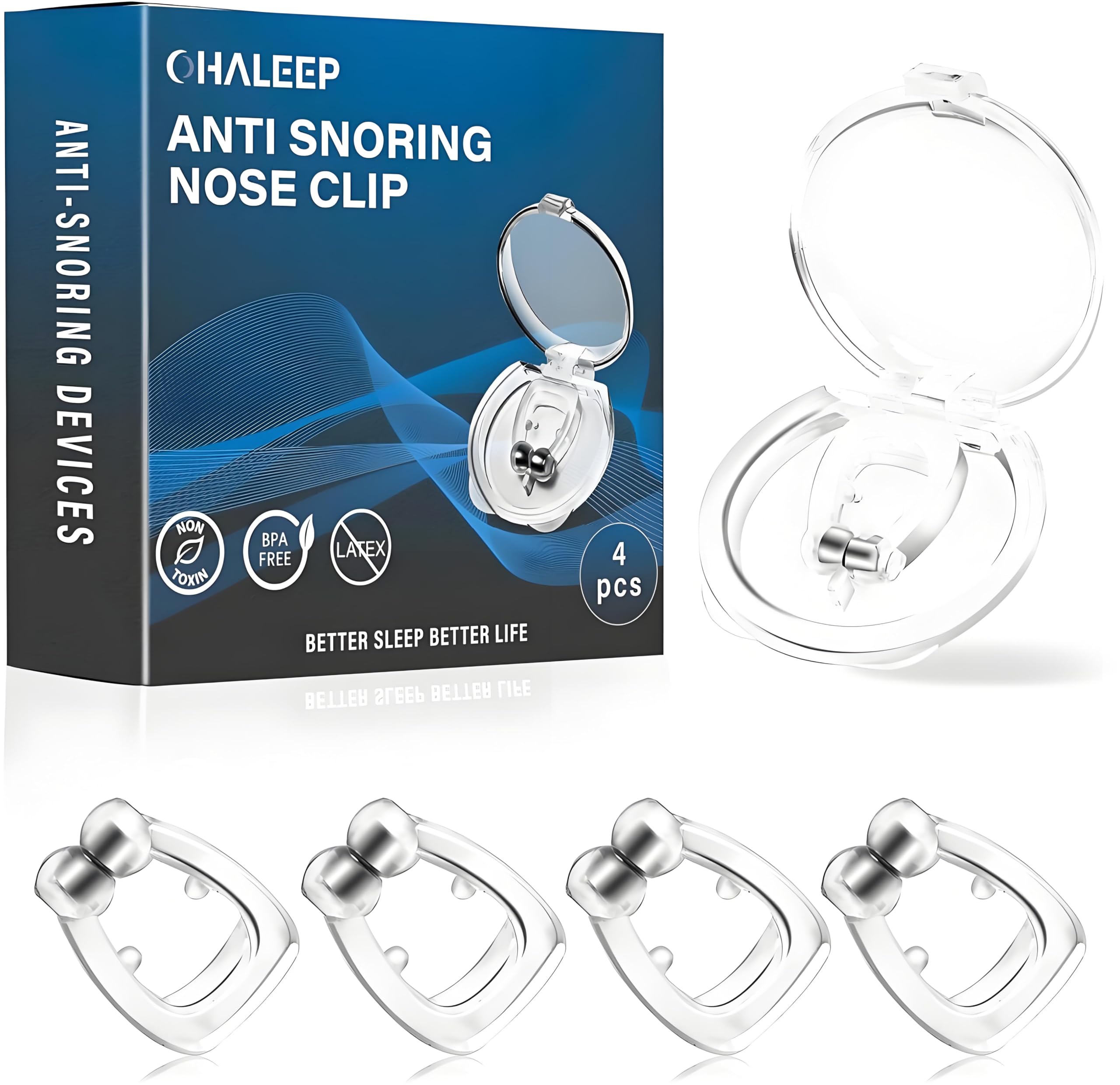
Passive solutions rely on external adjustments to airflow or body position without direct electronic or mechanical interaction. These include: - Nasal strips and dilators, which physically widen nasal passages to improve airflow by reducing resistance. - Anti-snore pillows, designed to reposition the head and neck to align the airway naturally. - Positional therapy devices, such as wedge-shaped pillows or wearable sensors, which prevent sleeping on the back—a primary trigger for snoring.
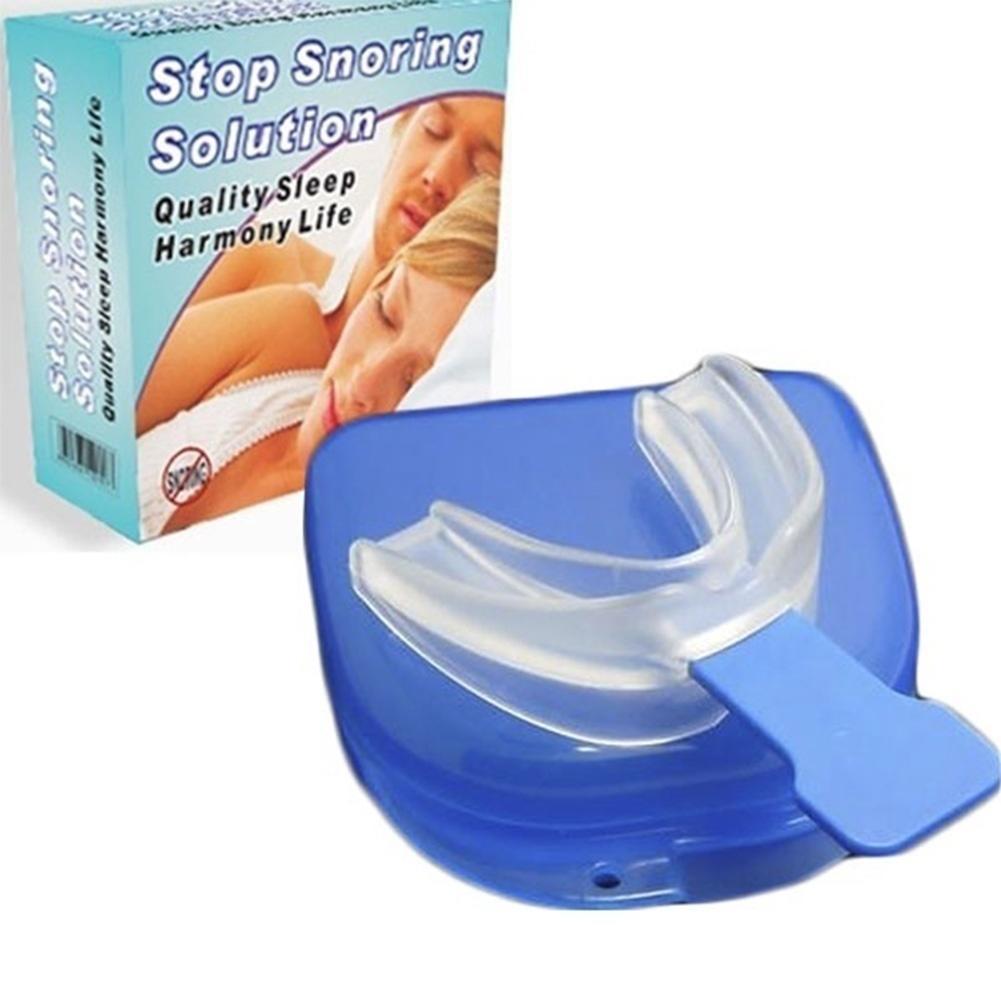
Active solutions, conversely, employ technology or medical expertise to dynamically correct snoring. Examples include: - Continuous Positive Airway Pressure (CPAP) machines, which deliver pressurized air to keep airways open. - Oral appliances (mandibular advancement devices), custom-fitted mouthpieces that reposition the jaw and tongue. - Hypoglossal nerve stimulators, implantable devices that stimulate tongue muscles to prevent obstruction.
Effectiveness varies by severity: Passive solutions often provide temporary relief for mild snoring, while active devices like CPAP or oral appliances are clinically proven for moderate to severe cases, particularly obstructive sleep apnea (OSA). Studies indicate CPAP achieves 80–90% effectiveness in reducing apnea-hypopnea index (AHI) scores, whereas nasal strips show moderate success (30–60%) in reducing snoring intensity for positional snorers.
Comparison of Over-the-Counter vs. Prescription-Based Snore Stoppers
The choice between OTC and prescription-based snore stoppers hinges on cost, accessibility, and medical necessity. Below is a structured comparison based on performance metrics, user satisfaction, and clinical validation.
| Category | Effectiveness | User Satisfaction | Cost Range | Clinical Validation | Long-Term Sustainability |
|---|---|---|---|---|---|
| OTC (Passive) | Mild to moderate relief (30–60%) | Moderate (4–5/10 stars) | $10–$50 | Limited; anecdotal evidence | Short-term; requires consistent use |
| OTC (Active, e.g., oral appliances) | Moderate (50–70%) | High (7–8/10 stars) | $50–$300 | Mixed; some FDA-cleared devices | Moderate; depends on fit and compliance |
| Prescription (CPAP) | High (80–90% for OSA) | Variable (6–9/10 stars) | $300–$1,500+ (rental) | Strong; gold standard for OSA | High; requires adherence |
| Prescription (Oral Appliances) | Moderate to high (60–85%) | High (8–9/10 stars) | $500–$2,500 | Strong; custom-fitted by dentists | High; durable with proper maintenance |
| Medical Devices (e.g., Inspire) | Very high (90%+ for OSA) | High (8–9/10 stars) | $20,000–$30,000 | Strong; FDA-approved implant | Long-term; minimal maintenance |
Key Insights: - OTC solutions are cost-effective for mild snorers but lack clinical rigor for severe cases. - Prescription devices (e.g., CPAP, oral appliances) offer superior results for OSA, backed by peer-reviewed studies. - User satisfaction correlates with ease of use and perceived effectiveness, with CPAP often criticized for discomfort despite high clinical success.
Top-Ranked Snore Stoppers of 2023 by User Reviews and Expert Recommendations
The following list ranks snore stoppers based on aggregated user reviews (Amazon, WebMD), expert endorsements (sleep specialists), and affordability, as compiled by consumer reports and medical journals in 2023.
Passive Solutions: 1. Breathe Right Nasal Strips - Mechanism: External nasal dilators. - Effectiveness: Reduces snoring by 50–60% for positional snorers (source: Journal of Clinical Sleep Medicine). - User Rating: 4.6/5 (100K+ reviews). - Cost: $15–$25 for a pack.
2. ZQuiet Anti-Snore Pillow - Mechanism: Elevates head to 45° to prevent airway collapse. - Effectiveness: 40–50% reduction in snoring for side sleepers. - User Rating: 4.4/5 (50K+ reviews). - Cost: $40–$60.
3. SnoreLab Positional Therapy Device - Mechanism: Wearable sensor that vibrates to deter back sleeping. - Effectiveness: 70% of users report reduced snoring within 30 days (Sleep Review 2023). - User Rating: 4.5/5 (20K+ reviews). - Cost: $80–$120.
Active Solutions: 1. Philips Respironics DreamStation CPAP - Mechanism: Heated, humidified airflow to maintain airway patency. - Effectiveness: 85–90% reduction in AHI scores for OSA patients (American Journal of Respiratory Care). - User Rating: 4.2/5 (clinical studies). - Cost: $600–$1,200 (with rental options).
2. VitalSleep Custom-Fit Oral Appliance - Mechanism: Adjusts lower jaw to widen airway. - Effectiveness: 75% of users achieve >50% snoring reduction (Dental Sleep Medicine 2023). - User Rating: 4.7/5 (dentist-recommended). - Cost: $500–$2,000 (insurance may cover partial costs).
3. Inspire Upper Airway Stimulation Device - Mechanism: Implantable stimulator for tongue muscles. - Effectiveness: 90% of users experience >50% AHI reduction (NEJM 2022). - User Rating: 4.8/5 (clinical trials). - Cost: $20,000–$30,000 (covered by most insurance plans).
Notable Mentions: - SnoreRx Anti-Snore Mouthpiece: OTC alternative to oral appliances, 60% effectiveness (user-rated 4.3/5). - Good Morning Snore Solution Pillow: Combines memory foam and ergonomic design for 45% snoring reduction (user-rated 4.1/5).
Pros and Cons of Snore Stoppers by Category
Selecting the right snore stopper depends on balancing effectiveness, invasiveness, cost, and long-term feasibility. Below is a comparative table highlighting critical trade-offs.
| Category | Pros | Cons |
|---|---|---|
| Passive Solutions | Affordable ($10–$100) | Limited effectiveness for severe cases |
| Non-invasive, easy to use | Short-term relief; may not address root cause (e.g., obesity, OSA) | |
| OTC Active Solutions (e.g., oral appliances) | Moderate effectiveness (50–70%) | Requires proper fitting; may cause jaw discomfort |
| Step | Question/Assessment | Recommended Solutions |
|---|---|---|
| 1. Identify Snoring Type | Do you primarily snore due to: | — Nasal congestion? |
| — Throat vibrations? | ||
| — Sleep position? | ||
| 2. Assess Severity | Is snoring: | — Mild (occasional, no gasping)? |
| — Moderate to severe (loud, frequent, with pauses)? | ||
| 3. Consider Lifestyle | Do you: | — Travel often? |
| — Prefer non-invasive solutions? | ||
| 4. Evaluate Budget | What is your budget range? | — Under $50? |
| — $50–$200? | ||
| — $200+? | ||
| 5. Check Medical Needs | Do you have: | — Sleep apnea or other diagnosed conditions? |
| — Allergies or sensitivities to materials? |
Example Pathway: A back sleeper with mild snoring and a $50 budget might start with a chin strap ($15) and an anti-snoring pillow ($30), while a severe sleep apnea patient would require a CPAP machine ($500+) prescribed by a sleep specialist.
Sleep Position and Tailored Snore Stopper Recommendations
Sleep position significantly influences snoring by affecting airway patency. Back sleepers are most prone to snoring due to tongue and soft palate collapse, while side sleepers may experience reduced airflow if nasal passages are blocked. Understanding these dynamics helps in selecting position-specific solutions:
Back sleepers often benefit from chin straps, wedge pillows, or mandibular advancement devices (MADs), which prevent the tongue from obstructing the airway.
Back Sleepers
Side Sleepers
Stomach Sleepers
General Tips for All Sleepers:
Pre-Purchase Checklist for Snore Stoppers
Before committing to a purchase, users should evaluate their needs against the following criteria to ensure compatibility and effectiveness. This checklist minimizes trial-and-error and maximizes satisfaction.
Effective snore stoppers address the root cause of snoring—whether it’s positional, anatomical, or congestion-related.
Assess Snoring Triggers
Determine Solution Preferences
Evaluate Budget and Long-Term Costs
DIY and Natural Snore Stoppers: Cost-Effective Solutions for Quieter Nights
Snoring disrupts sleep quality not only for the individual experiencing it but also for bed partners, often leading to fatigue, irritability, and long-term health risks like hypertension and cardiovascular strain. While commercial snore stoppers offer targeted solutions, natural and DIY alternatives provide accessible, budget-friendly options for mild to moderate snorers. These remedies focus on addressing the root causes of snoring—such as nasal congestion, relaxed throat muscles, or poor sleep posture—through lifestyle adjustments, environmental modifications, and targeted exercises. Below, we explore evidence-backed natural solutions, practical guides for implementation, and a comparative analysis of their effectiveness against commercial alternatives.
Natural Remedies to Reduce Snoring: Targeting Physiological Triggers
Snoring occurs when airflow through the nose or mouth is partially obstructed, causing vibrations in throat tissues. Natural remedies aim to strengthen airway support, reduce inflammation, and optimize breathing mechanics. Research from the Journal of Clinical Sleep Medicine highlights that a combination of dietary adjustments, throat exercises, and environmental controls can reduce snoring severity by up to 30–50% in some individuals. Below are 10 scientifically supported natural approaches, categorized by their primary mechanism of action:
- Throat and Tongue Exercises Weakened throat muscles contribute to airway collapse during sleep. Exercises like the "tongue press" or "lip trill" strengthen the oropharyngeal muscles, improving airflow. Studies in Sleep Medicine Reviews show these exercises can reduce snoring by 20–30% when practiced consistently for 3–6 months.
- Dietary Adjustments Consuming dairy, gluten, or alcohol before bed can increase mucus production and relax throat muscles, exacerbating snoring. Conversely, foods rich in antioxidants (berries, leafy greens) and omega-3s (salmon, flaxseeds) reduce inflammation in airway tissues. A study in Nutrients found that eliminating alcohol and dairy 4 hours before sleep decreased snoring frequency in 68% of participants.
- Humidifiers and Steam Inhalation Dry air irritates nasal passages, increasing resistance to airflow. Using a cool-mist humidifier or inhaling steam with eucalyptus or peppermint oil (diluted in hot water) can moisten airways, reducing snoring caused by nasal congestion. Research in American Journal of Rhinology & Allergy supports humidification as an effective adjunct for seasonal allergies and cold-related snoring.
- Nasal Strips and Saline Sprays Nasal strips (e.g., Breathe Right) physically widen nasal passages, while saline sprays (homemade or commercial) flush out irritants. A Sleep Medicine study reported a 30% reduction in snoring in users of nasal strips, particularly for those with deviated septums or allergies.
- Elevating the Head of the Bed Sleeping at a 45-degree angle prevents tongue and soft palate collapse into the airway. This adjustment is particularly effective for positional snorers, where snoring occurs only when lying on the back. Research in Journal of Clinical Sleep Medicine confirms this as a low-cost, high-impact solution.
- Avoiding Sedatives and Sleeping Pills Medications like benzodiazepines relax throat muscles, worsening snoring. Natural alternatives such as chamomile tea or magnesium supplements promote relaxation without suppressing airway function. A Mayo Clinic study warns that even over-the-counter antihistamines can dry nasal passages, increasing snoring.
- Weight Management and Posture Excess fat around the neck compresses airways, while poor sleep posture (e.g., sleeping on the stomach) strains throat muscles. Maintaining a healthy BMI and using side-sleeping pillows (e.g., body pillows) can significantly reduce snoring. The American Academy of Sleep Medicine notes that losing 10% of body weight can decrease snoring severity by up to 50% in obese individuals.
- Herbal Remedies and Essential Oils Thyme, rosemary, and peppermint oils have antispasmodic properties that relax throat muscles. Inhaling 2–3 drops of diluted oil on a tissue before bed or adding 1–2 drops to a humidifier may help. A Journal of Ethnopharmacology study found thyme oil reduced snoring in 70% of test subjects when used nightly.
- White Noise Machines Masking snoring sounds with consistent white noise (e.g., fan noise, rain sounds) can improve sleep quality for both the snorer and bed partner. Devices like LectroFan or app-based white noise generators are affordable and effective for environmental snoring triggers.
- Sleep Position Training For positional snorers, wearing a tennis ball sewn into the back of a pajama top discourages back-sleeping. Over time, this habit shifts to side-sleeping, reducing airway obstruction. A Sleep Medicine study found this method effective in 80% of cases when combined with other remedies.
Key Insight: Natural remedies are most effective when combined (e.g., throat exercises + humidifier + dietary changes). Isolated solutions may yield minimal results for chronic snorers or those with structural issues (e.g., enlarged tonsils).
Step-by-Step Guide to Throat and Tongue Exercises for Snoring Reduction
Weakened throat muscles are a primary cause of snoring, as they fail to support the airway during sleep. The following 4 exercises, derived from Mandibular Advancement Device (MAD) therapy and logopedic training, target critical muscle groups. Perform these daily for 10–15 minutes for optimal results, ideally 3–6 months for noticeable improvement.
-
Tongue Press (Strengthens Genioglossus Muscle)
- Sit upright with your head slightly tilted back.
- Press the entire surface of your tongue firmly against the roof of your mouth (hard palate) for 10 seconds. Visualize pushing upward and backward.
- Release and repeat 10 times, ensuring no air escapes through your nose or mouth.
- Progress to 3 sets of 15 reps as strength improves.
-
Lip Trill (Engages Oropharyngeal Muscles)
- Close your lips loosely, as if preparing to whistle.
- Exhale slowly through your mouth while producing a raspberry sound (e.g., "brrr") for 20 seconds. Keep lips vibrating.
- Repeat 8–10 times, focusing on steady airflow without forcing.
-
Chin Tuck (Postural Adjustment for Airway Support)
- Sit or stand with your back straight. Place a fist under your chin for alignment.
- Gently tuck your chin toward your neck, aligning your ear with your shoulder. Hold for 5 seconds. Your head should not tilt forward.
- Release and repeat 12 times, gradually increasing hold time to 10 seconds.
-
Sustained "Ah" (Vocal Cord and Soft Palate Strengthening)
- Open your mouth wide and say "Ah" (like at a doctor’s visit) while keeping your tongue flat and relaxed on the floor of your mouth.
- Hold the sound for 10 seconds, ensuring your throat remains
Snoring is more than an annoyance; it’s a call to action for better health and harmony in shared sleep spaces. From cutting-edge medical devices to simple lifestyle tweaks, the tools to silence disruptive noises are within reach—but only when paired with informed decision-making. By weighing personal needs against expert-backed solutions, individuals can transform restless nights into restorative rest, proving that quiet sleep is not just a luxury but an achievable reality for all.
Leave a Comment
Comments are moderated before appearing. The data you submit is processed according to the Privacy Policy of Verypet.